


Discover Distinct Coffee Flavor Profiles for Every Taste
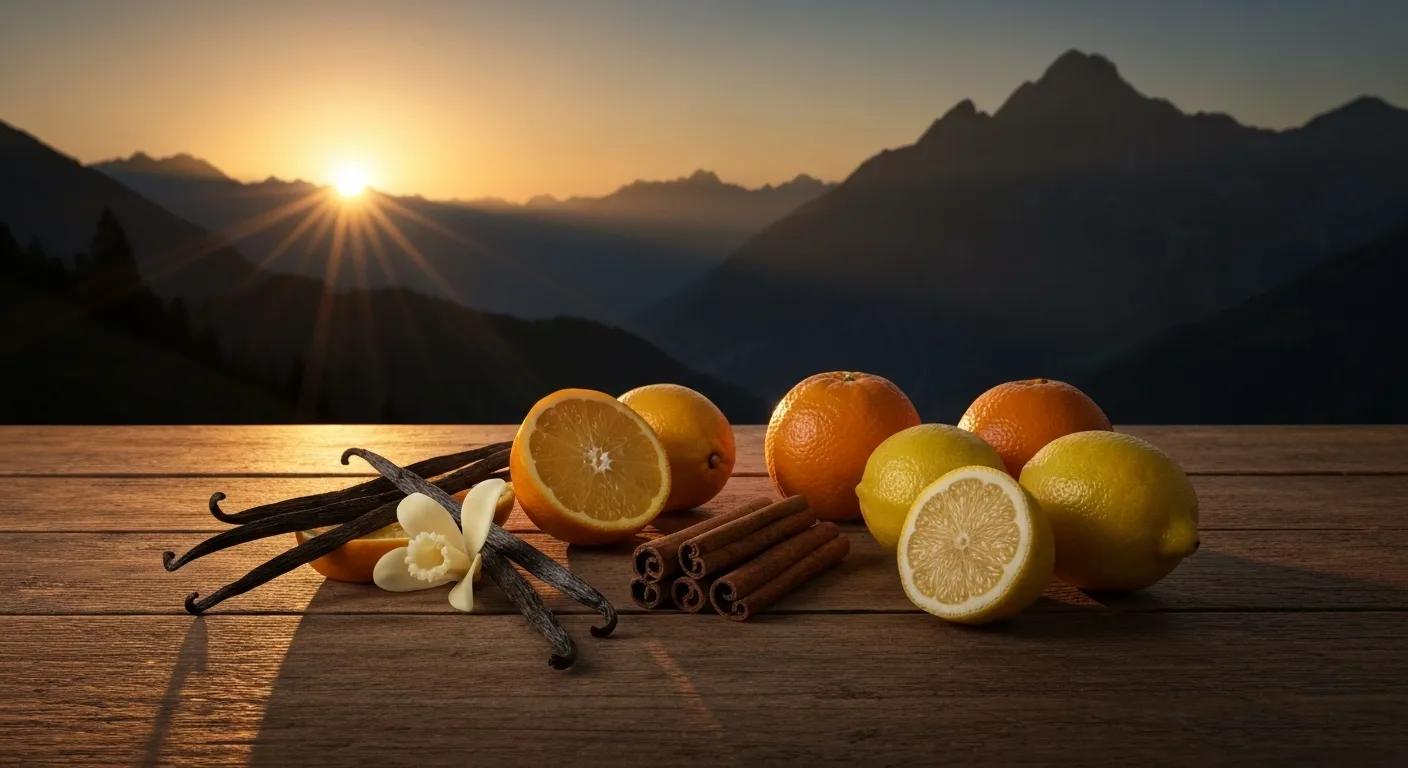
Picture a crisp mountain sunrise and a cup that greets you with citrus zip and a soft ribbon of caramel. Distinct coffee flavor profiles make every sip feel like a new trail to follow. This guide shows how aroma, acidity, body and origin shape a coffee’s character, and it lays out the practical steps to taste like someone who knows their coffee beans. Whether you’re packing for a high-altitude morning or dialing in an outdoor coffee preparation, you’ll learn which beans shine, how roast teases out hidden notes, and why processing changes a coffee from fruity to floral. Along the way, we share outdoor-brewing tips and a peek at Alpha Addict Coffee’s single-origin selections that fuel real expeditions.
What Are the Key Coffee Flavor Notes and How Do They Define Taste?
Flavor notes are the words we use to describe what a cup, or a drink, actually does — from bright, juicy fruit to warm baking spice. Those notes come from where the coffee bean grew, how it was roasted and processed, and how you brew it. A light-roast Ethiopian, for example, often tends to bring citrus and berry tones, while a medium-roast Colombian usually leans toward caramel and nutty warmth.
Which Main Coffee Flavors Should Every Explorer Know?
-
Fruity: Citrus, berries, tropical fruit, like orange — adds lively brightness.
-
Floral: Jasmine, rose, honeysuckle — delicate, perfumed sweetness.
-
Nutty: Almond, hazelnut, walnut — toasty comfort and gentle sweetness.
-
Chocolatey: Cocoa, dark chocolate, caramel — rich and round.
-
Spicy: Cinnamon, clove, baking spices — warm complexity.
-
Earthy: Mushroom, damp soil, herbal tones — grounding, rustic notes.
These broad categories help you pick beans that fit the mood — whether you want a sunrise lift or a cup to sit beside the evening fire.
How Do Aroma, Acidity, Body, and Aftertaste Shape Coffee’s Flavor?
|
Attribute
|
Role
|
Sensation
|
|---|---|---|
|
Aroma
|
Delivers volatile compounds to your nose
|
From a floral perfume to toasted cocoa
|
|
Acidity
|
Drives brightness and snap
|
Tangy citrus or crisp apple
|
|
Body
|
Gives mouthfeel and weight
|
Silky, creamy, or full-bodied
|
|
Aftertaste
|
How the cup lingers after the last sip
|
Longing sweetness or a spice finish
|
What Are Common Specific Flavor Notes Like Fruity, Nutty, and Spicy?
|
Flavor Category
|
Example Notes
|
Characteristic
|
|---|---|---|
|
Fruity
|
Lemon, blueberry, pineapple
|
Bright, juicy acidity
|
|
Nutty
|
Hazelnut, almond, peanut
|
Toasty warmth, mild sweetness
|
|
Spicy
|
Cinnamon, clove, cardamom
|
Warmth and aromatic depth
|
|
Chocolatey
|
Milk chocolate, dark cocoa, toffee
|
Sweet richness and smooth mouthfeel
|
|
Floral
|
Jasmine, rose, violet
|
Delicate, perfume-like sweetness
|
How Does the Coffee Flavor Wheel Help Decode Coffee Tasting Notes?
-
Start broad (fruity, nutty, floral) from the first sniff and sip.
-
Drill down to subcategories (citrus vs. berry) to sharpen your pick.
-
Pinpoint the exact note (lemon zest, blueberry jam) and log it.
The Specialty Coffee Association’s Coffee Taster’s Flavor Wheel organizes flavors into categories and sub-categories so professionals and enthusiasts can identify and describe what they taste. It’s a practical map for decoding a cup of specialty coffee.
How Do Coffee Origins Influence Distinct Flavor Profiles?
Coffee Origin and Flavor Profiles
Origin shapes flavor through local climate, soil, altitude and cultivation. African coffees often show fruity and floral notes; South American beans, such as those from Brazil, typically offer balanced profiles with nutty and chocolatey tones.
What Unique Flavor Characteristics Define Colombian and Ethiopian Coffees?
|
Origin
|
Flavor Notes
|
Characteristic
|
|---|---|---|
|
Colombia
|
Caramel, red apple, milk chocolate
|
Balanced acidity with a smooth body
|
|
Ethiopia
|
Bergamot, jasmine, blueberry
|
Bright floral aroma and tea-like acidity
|
How Do Terroir and Growing Conditions Affect Coffee Taste?
-
Altitude — wider temperature swings concentrate sugars and lift acidity.
-
Soil — mineral makeup nudges earthy or fruity notes.
-
Rainfall & sunlight — affect ripening and sweetness.
Which Lesser-Known Origins Offer Adventurous Flavor Experiences?
-
Yemen Mocha: Winey acidity and dried-fruit complexity.
-
Sulawesi Toraja: Earthy, tobacco-like depth with herbal hints.
-
Guatemala Huehuetenango: Stone-fruit sweetness and crisp acidity.
What Role Does Roasting Play in Developing Coffee Flavor Profiles?
Coffee roasting transforms green beans and unlocks different flavor directions. Light roasts highlight origin and acidity, medium roasts balance sweetness and body, and dark roasts push toward bold, smoky notes. The craft of roasting coffee in a drum roaster changes the bean's color and chemical composition.
How Do Light, Medium, and Dark Roasts Differ in Flavor and Acidity?
|
Roast Level
|
Dominant Flavor Notes
|
Acidity Level
|
|---|---|---|
|
Light
|
Citrus, floral, tea-like
|
High, crisp acidity
|
|
Medium
|
Caramel, nutty, balanced sweetness
|
Medium, rounded
|
|
Dark
|
Cocoa, smoke, toasted spices
|
Low, mellow
|
What Flavor Changes Occur During the Roasting Process?
-
Maillard reaction — builds brown color and savory aromas.
-
Caramelization — produces sweet, toffee-like notes.
-
Pyrolysis — breaks down compounds, adding roastiness and smoke.
How Can Roast Level Be Matched to Preferred Coffee Flavor Notes?
-
Choose light roasts to highlight floral and fruity nuances.
-
Pick medium roasts to bring out caramel and nutty harmony.
-
Select dark roasts when you want chocolate, smoke and spice.
How Do Coffee Processing Methods Affect Flavor and Aroma?
Processing — washed, natural or honey — shapes fermentation and the final cup. Washed coffees tend to be clean and bright; natural-processed beans usually offer fruit-forward sweetness.
What Flavor Profiles Result from Washed, Natural, and Honey Processing?
|
Method
|
Flavor Profile
|
|---|---|
|
Washed
|
Clean cup, bright acidity, crisp fruit notes
|
|
Natural
|
Intense fruit sweetness, lower acidity, winey character
|
|
Honey
|
Balanced sweetness, medium body, subtle fruit aroma
|
How Does Processing Influence Fruity and Floral Notes?
-
Longer drying on the whole cherry intensifies berry and tropical flavors.
-
Controlled fermentation under parchment encourages floral esters and perfume-like scents.
Why Is Understanding Processing Essential for Coffee Explorers?
-
It helps predict how a coffee will behave when water hits the grounds.
-
It shows trade-offs between sweetness, body and clarity.
-
It lets you match flavor intensity to outdoor brewing conditions.
How Can You Master Coffee Tasting to Identify Distinct Flavors?
What Are the Steps to Conduct a Sensory Coffee Tasting?
-
Grind fresh and breathe in the dry aroma.
-
Pour hot water and take in the wet crust.
-
Break the crust and note the released scents.
-
Slurp to coat tongue and nasal passages.
-
Swallow and record acidity, body and aftertaste.
How Do You Use the Coffee Flavor Wheel During Tasting?
-
Start with broad families (sweet, floral, roasted).
-
Move inward to narrow choices (citrus vs. berry).
-
Lock in the precise note (lemon, blueberry) and write it down.
What Tips Help Develop a Refined Coffee Palate?
-
Compare two coffees side by side to highlight differences in acidity and sweetness.
-
Keep a flavor journal logging notes, roast and brew method.
-
Attend local coffee cuppings or online tastings for guided feedback.
-
Experiment with water temperature and grind size to see how they shift flavor.
Which Coffee Flavor Profiles Are Best Suited for Outdoor and Adventure Settings?
What Fruity and Floral Coffees Enhance Morning Mountain Sunrises?
-
Ethiopian Yirgacheffe: Jasmine perfume and lemon zest.
-
Kenyan AA: Bright blackcurrant acidity and floral lift.
-
Panama Geisha: Tropical fruit sweetness and a tea-like body.
How Do Nutty and Chocolatey Coffees Provide Comfort on the Trail?
-
Honduran honey-processed: Almond and caramel.
-
Colombian Supremo: Milk chocolate and hazelnut.
-
Guatemalan Antigua: Brown sugar and cocoa.
Why Are Earthy and Spicy Coffees Ideal for Campfire Moments?
-
Sumatra Mandheling: Deep herbal earthiness and tobacco notes.
-
Java Estate: Bold cocoa with roasted pepper bite.
-
Indian Monsoon Malabar: Woody spice and low acidity.
How Does Brewing Method Influence the Expression of Coffee Flavors?
Brewing style brings out different aspects of a coffee. Pour-over methods emphasize clarity and brightness using a filter; a French press highlights body and mouthfeel. Your coffee preparation method matters as much as the coffee bean.
What Brewing Techniques Best Highlight Fruity and Floral Notes?
-
Slow pour-over bloom preserves tea-like florals.
-
Chemex and thicker filters bring out bright citrus clarity.
-
Aeropress short steeps lift concentrated fruit sweetness.
How Does Brewing Affect Acidity and Body in Coffee?
|
Factor
|
Effect on Acidity
|
Effect on Body
|
|---|---|---|
|
Grind Size
|
Finer grind often increases perceived acidity, especially under high pressure for espresso machines
|
Finer grind can yield fuller body
|
|
Water Temperature
|
Higher temperature can accentuate acidity
|
Hotter water extracts more oils and weight
|
|
Brew Time
|
Longer contact can deepen acidity
|
Longer time builds thickness and body
|
Which Brewing Tips Maximize Flavor for Adventurers Brewing Outdoors?

-
Grind right before you brew to keep volatile aromas intact.
-
Preheat your brewer and mug so temperature stays steady.
-
Use filtered water when you can for a cleaner cup.
-
Weigh coffee and water for consistent extraction every time.
Frequently Asked Questions
What is the best way to store coffee beans to maintain freshness?
How does the grind size affect coffee flavor?
Grind size controls extraction. Finer grinds increase surface area and speed extraction, often making the cup more intense and sometimes sharper in acidity. Coarser grinds slow extraction, producing a smoother, less acidic brew. Match grind to method — fine for espresso, coarse for French press — to keep flavor balanced.