


Exploring Coffee Taste Notes: A Beginner's Guide to Tasting Coffee Like a Pro
Why Coffee Tastes Different From Cup to Cup
Have you ever opened a bag of coffee and seen tasting notes like chocolate, citrus, caramel, or berries printed on the label? Many people assume those flavors have been added to the coffee somehow. In reality, they haven't. Coffee tasting notes are simply descriptions of the natural aromas and flavors found within the beans themselves. Just as wine, craft beer, and chocolate can have unique flavor characteristics, coffee develops distinct taste profiles based on where it's grown, how it's processed, how it's roasted, and how it's brewed.
At Alpha Addict Coffee Company, our coffees are never artificially flavored. Whether you're drinking Bitterroot, Brazilian Wolf, or Night Wolf, the notes you experience come directly from the coffee bean and the roasting process. Learning to identify those flavors can transform your daily cup into a much more rewarding experience.
What Are Coffee Taste Notes?
Coffee taste notes are sensory descriptors used to help explain what a particular coffee reminds you of when you drink it.
For example:
-
A coffee may remind you of dark chocolate
-
Another may have a citrus-like brightness
-
Some coffees offer caramel-like sweetness
-
Others may present nutty, earthy, or floral characteristics
These aren't added ingredients. Instead, they're the result of thousands of naturally occurring compounds that develop as coffee grows, ferments, dries, and roasts. Think of tasting notes as comparisons rather than exact ingredients. A coffee described as having blueberry notes doesn't taste like blueberry juice. It simply contains flavor compounds that remind many people of berries.
Why Some Coffees Taste Completely Different
One of the most fascinating things about coffee is that two beans grown on opposite sides of the world can taste dramatically different.
Coffee Origin
The region where coffee is grown plays a major role in its flavor profile. Coffee from Ethiopia is often associated with floral aromas and bright fruit notes. Many Brazilian coffees are known for chocolate, caramel, and nutty characteristics. Indonesian coffees frequently display earthy, herbal, or spice-forward profiles. Climate, elevation, rainfall, and soil composition all contribute to the final flavor.
Processing Method
After coffee cherries are harvested, producers remove the fruit in various ways. Natural processing often creates sweeter, fruit-forward flavors. Washed coffees tend to produce cleaner, brighter cups with more clarity. Honey processing often falls somewhere in between, balancing sweetness with complexity.
Roast Profile
Roasting dramatically influences what flavors become most noticeable.
-
Light roasts often showcase more of the bean's origin characteristics.
-
Medium roasts balance sweetness, body, and complexity.
-
Dark roasts highlight richer notes such as dark chocolate, brown sugar, and roasted nuts.
Understanding these factors makes it much easier to recognize why one coffee tastes completely different from another.
Coffee Origin at a Glance
Here's a quick reference for how growing region tends to shape flavor:
|
Origin |
Typical Flavor Profile |
Common Notes |
|---|---|---|
|
Ethiopia |
Floral, bright, fruit-forward |
Jasmine, bergamot, berries, citrus |
|
Brazil |
Sweet, nutty, low acidity |
Chocolate, caramel, roasted nuts |
|
Indonesia (e.g. Sumatra) |
Earthy, full-bodied, herbal |
Cedar, spice, dark chocolate, earthy tones |
The Science Behind Coffee Flavor
Many people don't realize that most of what we think of as taste actually comes from aroma. Researchers estimate that a significant portion of flavor perception occurs through the olfactory system rather than through the tongue alone. This explains why coffee often smells different before brewing, during brewing, and while drinking. When hot water interacts with coffee grounds, hundreds of aromatic compounds are released into the air. These compounds travel through the nose and contribute heavily to how the brain interprets flavor. That's why professional coffee tasters spend almost as much time smelling coffee as they do drinking it.
Research & Sources
Coffee sensory evaluation isn't just a matter of opinion — the specialty coffee industry relies on formal, standardized protocols to assess and score quality.
-
SCA Cupping Protocol: The Specialty Coffee Association (SCA) has developed a standardized cupping protocol that professionals use to evaluate coffee under carefully controlled conditions — consistent grind size, water temperature, and steep time — so that fragrance, flavor, and aftertaste can be assessed consistently across different origins and roasts.
-
SCA 80–100 Point Scale: Using this protocol, coffees are scored on an 80–100 point scale: 80–84.99 is rated "Good specialty," 85–89.99 is "Very good specialty," and 90–100 is "Outstanding specialty." This scale gives buyers a quick way to gauge whether a bag meets true specialty standards.
-
Q Graders: Scores are validated by Q Graders — certified sensory professionals trained by the Coffee Quality Institute — who help ensure consistency in scoring and safeguard the integrity of specialty coffee designations worldwide.
Understanding these standards can deepen your appreciation for why tasting notes are described the way they are, and how the specialty coffee industry keeps flavor assessment consistent and credible.
How to Start Tasting Coffee Notes
The good news is that you don't need expensive equipment or professional training.
A simple setup is enough:
-
Freshly roasted coffee
-
Clean water
-
A consistent brewing method
-
A clean mug
-
An open mind
When tasting coffee, slow down and pay attention. Start by smelling the dry grounds before brewing. Then smell the coffee again after hot water is added. Notice how the aroma changes. As you take your first sip, try identifying a single flavor rather than searching for every note at once. Maybe the cup reminds you of chocolate. Maybe it's nutty. Maybe you notice a citrus-like brightness. There are no bonus points for finding ten tasting notes. Even identifying one helps train your palate.
How Brewing Methods Affect Flavor
One area many guides overlook is the effect brewing method has on flavor perception. The same coffee can taste surprisingly different depending on how it's prepared.
Pour Over
Pour-over brewing often produces a cleaner cup with greater flavor clarity. This makes it easier to identify subtle fruit, floral, and citrus notes.
French Press
French press brewing allows more oils and fine particles into the cup. The result is typically a fuller body and stronger chocolate, caramel, and nutty characteristics.
Espresso
Espresso concentrates flavor, body, and sweetness. Many coffees reveal bold chocolate, caramel, or syrupy characteristics when brewed as espresso. This is why tasting coffees through multiple brewing methods can be one of the fastest ways to improve your ability to recognize flavor differences. For more brewing-specific advice, check out our guide on manual vs. automatic coffee brewers.
Common Mistakes New Coffee Tasters Make
Learning coffee tasting notes takes practice, and most beginners make the same mistakes.
Drinking Coffee Too Hot
Very hot coffee can hide a lot of flavor. Many tasting notes become easier to identify as the coffee cools slightly.
Adding Cream and Sugar Immediately
There's nothing wrong with customizing your coffee, but try tasting it black first. Even one sip can reveal flavors that disappear once cream or sweeteners are added.
Expecting Flavors to Be Obvious
Coffee tasting notes are usually subtle. A coffee labeled "caramel" won't taste exactly like candy. Instead, you may notice a gentle sweetness that reminds you of caramel.
Sticking to One Coffee
Comparing different coffees side by side is one of the best ways to train your palate. The differences often become more obvious when two coffees are tasted together.
How to Build a Better Coffee Palate
Like wine tasting, coffee tasting improves through repetition. One of the best methods is keeping simple notes after each cup.
Ask yourself:
-
Is the coffee bright or mellow?
-
Does it feel light or full-bodied?
-
Is it sweet, nutty, fruity, or chocolatey?
-
What flavor stays with you after the sip?
You don't need fancy language. In fact, the simpler your descriptions are, the more useful they become. Over time, your brain begins recognizing patterns and identifying flavors more quickly.
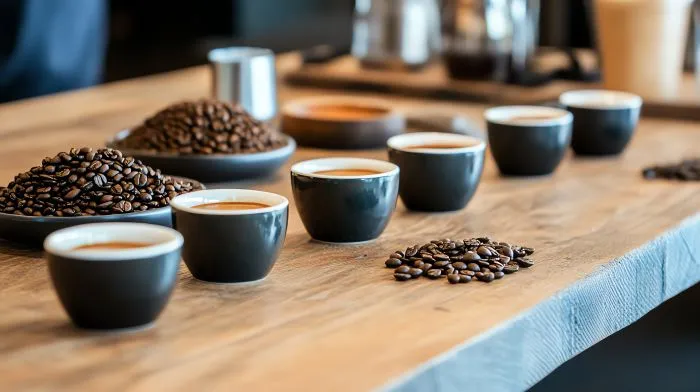
Exploring Flavor Through Different Alpha Addict Coffees
One of the easiest ways to develop your palate is by comparing coffees with distinct flavor profiles.
For example:
-
Bitterroot offers a rich, approachable profile ideal for identifying chocolate-forward characteristics.
-
Brazilian Wolf highlights many of the nutty and sweet notes that make Brazilian coffees popular worldwide.
-
Night Wolf provides a bolder experience with deeper roast-driven flavors.
Tasting different profiles side by side helps you understand how origin and roast shape each cup. You can also learn more about this topic in our guide to coffee flavor profiles.
Coffee Tasting Is a Skill Anyone Can Learn
You don't need to be a professional cupper to appreciate tasting notes. The secret is simply slowing down. Pay attention to aroma. Compare different coffees. Experiment with brewing methods. Give yourself permission to notice one flavor at a time. The more intentionally you drink coffee, the more you'll discover hidden within the cup. At Alpha Addict Coffee Company, we believe every bag tells a story. Learning to identify tasting notes helps you experience that story fully, from the first aroma to the final sip.
FAQ
What are coffee taste notes?
Coffee taste notes are naturally occurring flavors and aromas found in coffee beans. They result from the bean's origin, processing method, roast level, and brewing technique rather than added flavorings.
Why do different coffees taste different?
Coffee flavor is influenced by growing region, elevation, climate, processing methods, roast profiles, and brewing techniques. These factors combine to create unique flavor characteristics.
What's the easiest way to start identifying tasting notes?
Begin by smelling the coffee before drinking it and focus on identifying a single flavor at a time. Comparing multiple coffees side by side can also make flavor differences easier to recognize.
Do coffee tasting notes mean flavors were added?
No. Specialty coffee tasting notes describe naturally occurring flavors already present in the bean. They are observations, not ingredients.
Which brewing method is best for tasting notes?
Pour-over brewing is often considered one of the best methods for highlighting subtle flavor differences, but any consistent brewing method can help develop your palate.