


How to Brew Coffee While Camping
The Complete Guide to Better Camp Coffee
Few camping rituals are as satisfying as a hot cup of coffee while the sun climbs over a mountain ridge or a stream murmurs past the tent. Whether the trip is a weekend getaway or a week deep in the backcountry, coffee is usually one of the first things that makes it into the pack. The real question is how to brew coffee while camping without hauling extra weight or giving up on flavor. Among backpacking coffee options, some hikers reach for lightweight backpacking coffee like instant packets simply because they're light and fuss-free. Others won't part with a proper cup and happily carry a bit more gear to get one. Neither approach is wrong — the right coffee for backpacking really just comes down to what matters most to you: pack weight, convenience, cleanup, or taste.
Alpha Addict Coffee Company knows this trade-off firsthand. Founded in 2019 by two outdoor-loving coffee enthusiasts in Buffalo, New York, the company was built on the idea that a great adventure and a great cup of coffee belong together. For hikers, campers, and backpackers who care about good coffee in the backcountry, landing on the right brewing method can turn an ordinary morning on the trail into a genuinely good one.
Why Camp Coffee Matters More Than You Think
Out on the trail, coffee is about more than just caffeine. After a night in a tent, an early wake-up, or the start of a long day of hiking, that first cup can turn into a small ritual — and a real morale boost. Plenty of backpackers will tell you their morning coffee is one of the best parts of the trip.
The right coffee setup can:
-
Provide energy before a challenging hike
-
Boost morale during multi-day trips
-
Create a relaxing morning ritual
-
Help you warm up on cold mornings
-
Enhance the overall camping experience
Coffee carries a lot of weight in the outdoor experience, so it's worth taking a moment to find the brewing method that actually fits how you camp.
What Factors Should You Consider Before Brewing Coffee While Camping?
Before settling on a brewing method, it helps to weigh three key factors.
Weight
For most backpackers, weight is the first thing that comes to mind. Every extra item adds up over miles on the trail, and specialty brewing gear, grinders, filters, and whole-bean coffee can quietly pile onto your base weight over a multi-day trip. Ultralight hikers tend to keep things simple, favoring whatever gets them a cup with the least amount of gear.
Flavor
For plenty of coffee lovers, flavor matters just as much. Freshly ground coffee tends to bring a richer aroma, fuller body, and more complex flavor than instant ever can. Campers who see coffee as part of the experience — not just a caffeine delivery system — are often happy to carry a little extra weight for a better cup.
Convenience
After a long day on the trail, nobody wants to come back to a complicated cleanup. Some brewing methods ask for nothing more than hot water, while others come with extra equipment and prep time. Knowing how much camp-chore tolerance you have will go a long way toward narrowing down the right option.
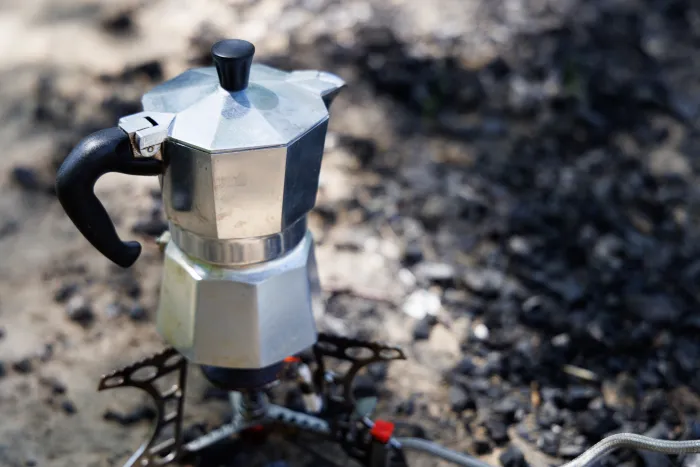
The Best Ways to Brew Coffee While Camping
Campers have landed on a handful of tried-and-true backpacking coffee options for brewing coffee outdoors, and each comes with its own trade-offs.
Instant Coffee
Instant coffee is about as simple and lightweight as camp coffee gets, and the best instant coffee for backpacking has come a long way in flavor. All it takes is hot water and a packet of coffee — no filters, grinders, or brewing devices needed.
Pros
-
Extremely lightweight
-
Fastest preparation method
-
No special equipment needed
-
Minimal cleanup
-
Ideal for long-distance backpacking
Cons
-
Less flavor depth
-
Can taste thin compared to brewed coffee
-
Fewer opportunities for customization
Instant coffee used to have a rough reputation, but better processing and freeze-drying techniques have closed the gap in recent years. It still won't rival a freshly brewed cup in complexity, but a lot of modern instant coffee is genuinely enjoyable. For thru-hikers and ultralight coffee backpacking fans especially, instant coffee is often the best balance of convenience and weight savings.
Pour-Over Coffee
For outdoor enthusiasts who put flavor first, pour-over is one of the go-to methods. A lightweight dripper and a filter are all it takes to get a high-quality cup without adding much bulk to your pack.
Pros
-
Excellent flavor
-
Lightweight equipment
-
Easy to control brewing strength
-
Relatively portable
Cons
-
Requires filters
-
Slower than instant coffee
-
Slightly more cleanup
Many experienced backpackers point to pour-over as the sweet spot between pack weight and coffee quality — with freshly roasted beans and a bit of technique, a simple pour-over setup can hold its own against many cafés.
French Press Coffee
If flavor is non-negotiable, a French press will deliver. Because the grounds stay fully immersed while brewing, you end up with a rich, full-bodied cup.
Pros
-
Bold flavor
-
Excellent body and texture
-
No paper filters required
Cons
-
Heavier equipment
-
More difficult cleanup
-
Not ideal for ultralight backpacking
French presses tend to make more sense for car camping, glamping, or a base camp setup, where a little extra weight isn't a dealbreaker.
Cowboy Coffee
Cowboy coffee backpacking is about as old-school and simple as outdoor brewing gets. This traditional method needs nothing more than a pot and some coffee grounds.
How to Make Cowboy Coffee
-
Bring water to a boil.
-
Remove the pot from direct heat.
-
Add coffee grounds directly into the water.
-
Let the mixture steep for several minutes.
-
Allow the grounds to settle before pouring.
Pros
-
No brewing gear required
-
Authentic outdoor experience
-
Easy to learn
Cons
-
Grounds may end up in your cup
-
Less consistency
-
Requires practice for best results
It's not the most refined method out there, but cowboy coffee has stuck around for a reason — it's dependable, and there's barely any gear involved.
Aeropress: A Modern Favorite
The Aeropress has earned a loyal following among campers and backpackers.
It packs portability, durability, and genuinely good flavor into a compact package.
Pros
-
Outstanding coffee quality
-
Fast brewing
-
Compact design
-
Easy cleanup
Cons
-
Requires carrying additional equipment
-
Slightly heavier than instant options
For many coffee enthusiasts, the Aeropress strikes a great balance of quality and practicality on a camping trip.
Instant Coffee vs. Whole Bean Coffee
One of the bigger decisions camp coffee drinkers face is whether to pack instant coffee or whole beans — and honestly, each has its case.
|
Factor |
Instant Coffee |
Whole Bean Coffee |
|---|---|---|
|
Weight |
Lightest |
Heavier |
|
Preparation |
Fastest |
Slower |
|
Equipment |
None |
Grinder and brewer |
|
Cleanup |
Minimal |
Moderate |
|
Flavor |
Good |
Excellent |
|
Best For |
Long backpacking trips |
Weekend camping and base camps |
It really comes down to what you're optimizing for. If shaving pack weight is the priority, instant coffee wins out. If a great cup matters more to your trip, whole beans are worth the extra effort.
Why Freshly Roasted Coffee Makes a Difference
Coffee starts losing its edge not long after roasting.
Freshly roasted coffee often delivers:
-
Better aroma
-
Greater complexity
-
Improved sweetness
-
Richer mouthfeel
-
Stronger flavor notes
That's part of why so many outdoor enthusiasts stick with specialty coffee even out on the trail. Alpha Addict Coffee Company roasts with that in mind, sourcing ethically and roasting for people who love adventure just as much as a good cup. Freshness shows up in the mug, and it's especially noticeable when you're brewing outdoors, where every cup already feels a little more earned.
Choosing the Right Alpha Addict Coffee Blend for Your Adventure
Different trips call for different coffees.
Bitterroot
Bitterroot is a bold, full-bodied coffee with bittersweet, chocolate, and toasty notes — a rich, robust cup for anyone who enjoys a more traditional brew.
Best for:
-
Weekend camping
-
Hiking trips
-
Everyday outdoor adventures
Brazilian Wolf
Brazilian Wolf brings dark chocolate, toasted almond, and toffee notes with a medium body and low acidity — a mellow, easygoing cup that's a natural fit for slower, relaxed mornings at the campground.
Best for:
-
Car camping
-
Leisurely outdoor weekends
-
Coffee drinkers who enjoy lower acidity
Night Wolf
Night Wolf is Alpha Addict's decaf blend, delivering the same deep, bold profile without the caffeine — a solid pick for anyone who wants a rich cup later in the day or simply prefers to skip the buzz.
Best for:
-
Evening cups around the campfire
-
Campers who are cutting back on caffeine
-
Anyone who enjoys darker roasts without the jolt
Matcha Wolf
Not every hiker wants coffee, and that's fine — Matcha Wolf is a lighter alternative with natural sweetness, steady energy, and barely any prep involved.
Best for:
-
Ultralight backpackers
-
Minimalist travelers
-
Those seeking an alternative caffeine source
Tips for Brewing Better Coffee While Camping
Whichever method you land on, a few small habits can make a real difference in the cup.
Use Filtered Water When Possible
Coffee is mostly water, so the water matters more than people expect. Poor-quality water can throw off the flavor even with great beans. Filtered or purified water from a trusted source is worth seeking out when you can.
Measure Your Coffee
Consistency pays off. Pre-portioning your coffee at home, in small bags or containers, makes things easier on the trail and cuts down on waste.
Store Coffee Properly
Oxygen and moisture are freshness's biggest enemies. Keep coffee in airtight containers or resealable bags so it stays protected for the whole trip.
Avoid Overheating Water
A rolling boil can over-extract coffee and turn it bitter. For most brewing methods, water just shy of boiling gives you a better result.
Practice at Home
Before bringing new gear into the backcountry, it's worth a test run at home first. That way you'll know the process cold, and you can work out any kinks before you're relying on it miles from the trailhead.
Leave No Trace Coffee Practices
Responsible camping includes cleaning up after your coffee, too.
When brewing outdoors:
-
Pack out used filters when required.
-
Dispose of grounds responsibly.
-
Follow local regulations.
-
Avoid leaving food waste around campsites.
-
Respect environmentally sensitive areas.
A little care with Leave No Trace habits goes a long way toward keeping these outdoor spaces enjoyable for everyone.
Final Thoughts: The Best Way to Brew Coffee While Camping
The best answer to how to brew coffee while camping really depends on the adventure you're planning. Ultralight backpackers will get the most out of instant coffee's convenience and negligible weight. Campers who put flavor first might prefer whole-bean coffee brewed with a pour-over, French press, or Aeropress. And cowboy coffee remains a solid, timeless pick for anyone who likes to keep it simple.
At the end of the day, the best camp coffee setup is whichever one fits your priorities — whether that's traveling as light as possible or carrying a little extra for a richer cup. Either way, a great morning outdoors often starts with the right cup in hand. Alpha Addict Coffee Company was built on the idea that outdoor exploration and great coffee go hand in hand. With blends like Bitterroot, Brazilian Wolf, and Night Wolf, campers can enjoy a bold, flavorful cup while soaking up everything the trail has to offer. Next time you're packing for a trip, give your brewing method a little thought — a great day outdoors so often starts with a great cup of coffee.